
January 20, 2026
Indoor vs Outdoor Logo Mats: What Is the Difference?
Compare indoor and outdoor logo mats by materials, weather resistance, color detail, backing, safety, maintenance, and best-use cases.
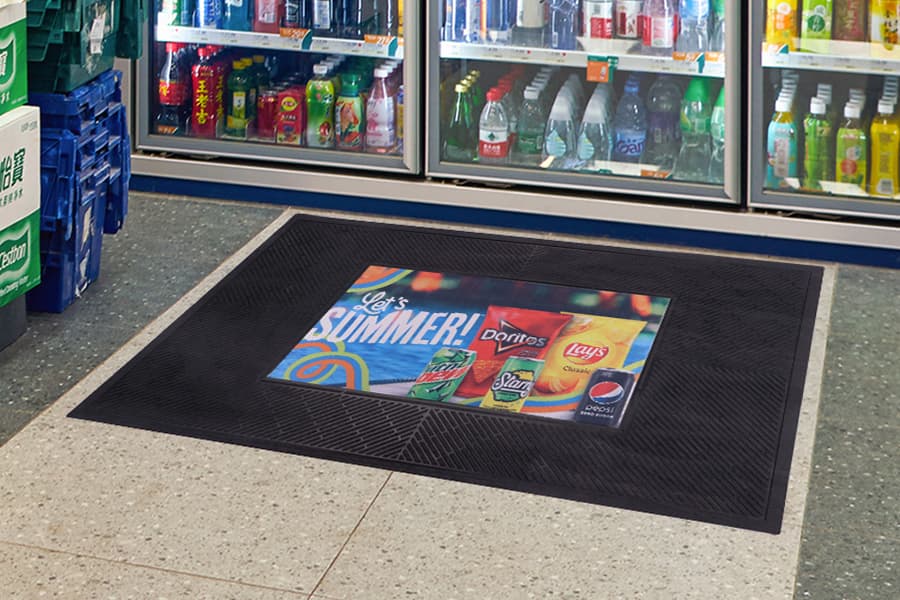
Indoor and outdoor logo mats may look similar in a product list, but they are designed for different conditions. The difference is not just where they are placed. It affects the surface texture, backing, drainage, color detail, cleaning routine, and the type of logo artwork that will reproduce well. Choosing the wrong category can shorten the life of the mat, make the logo harder to read, and leave your entrance less protected than expected.
The easiest way to compare indoor vs outdoor logo mats is to ask what problem the mat has to solve first. Indoor logo mats usually focus on moisture capture, color quality, and a clean finished appearance. Outdoor logo mats focus on scraping, weather exposure, and heavier debris. Both can support branding, but the construction that makes a mat durable outside can limit the fine detail available in the logo. A smart entrance often uses both.
Indoor Logo Mats Are Built for Finished Spaces
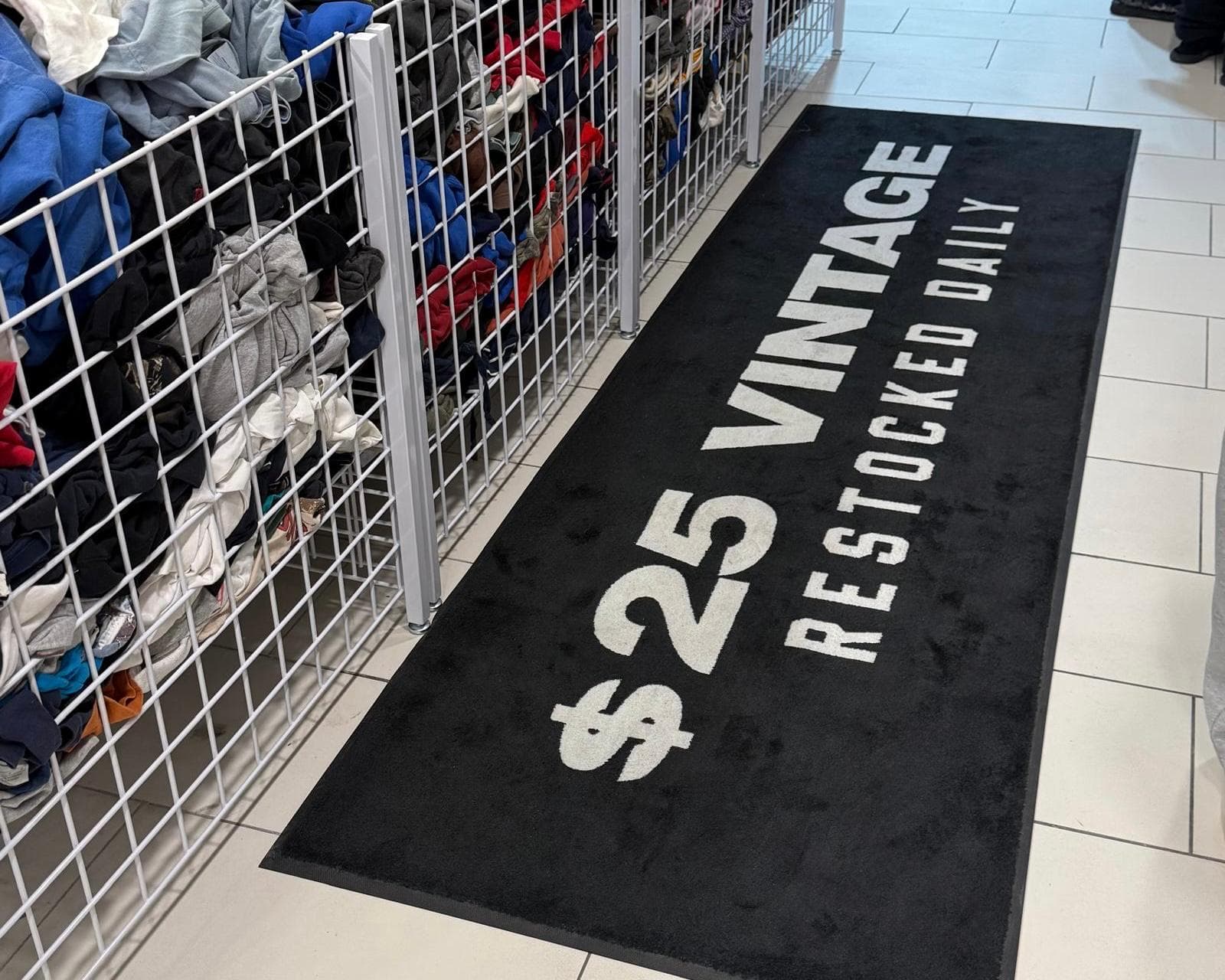
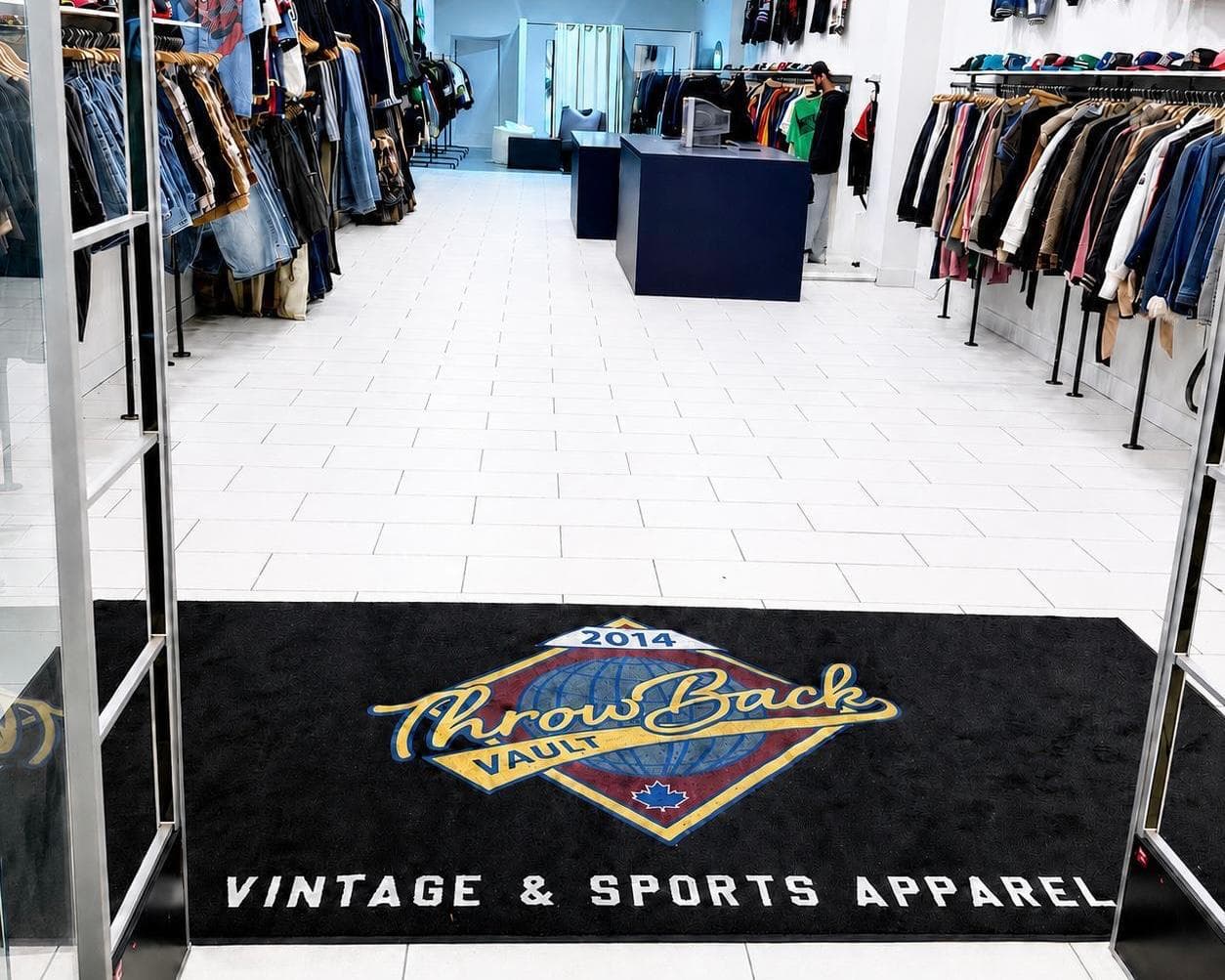
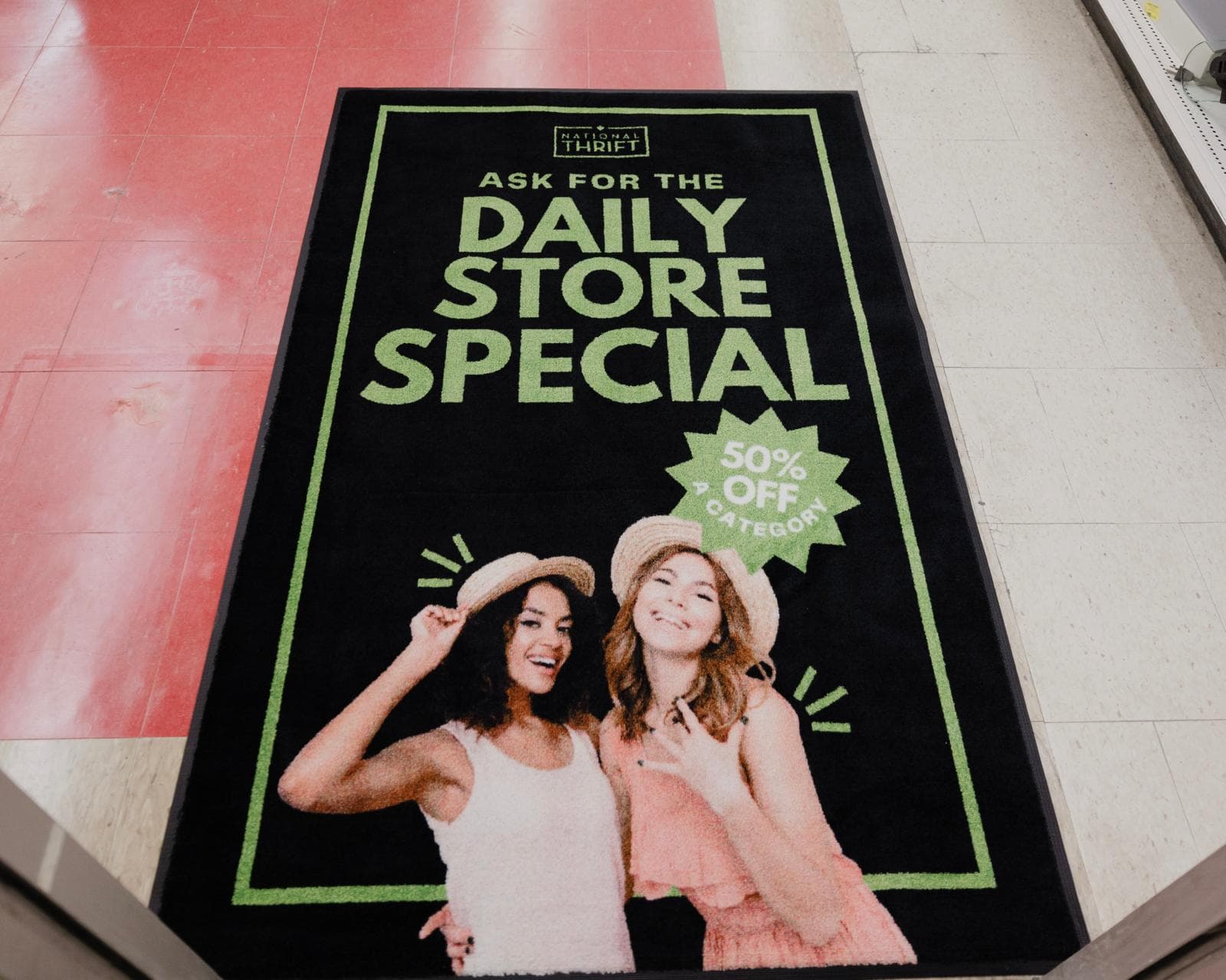
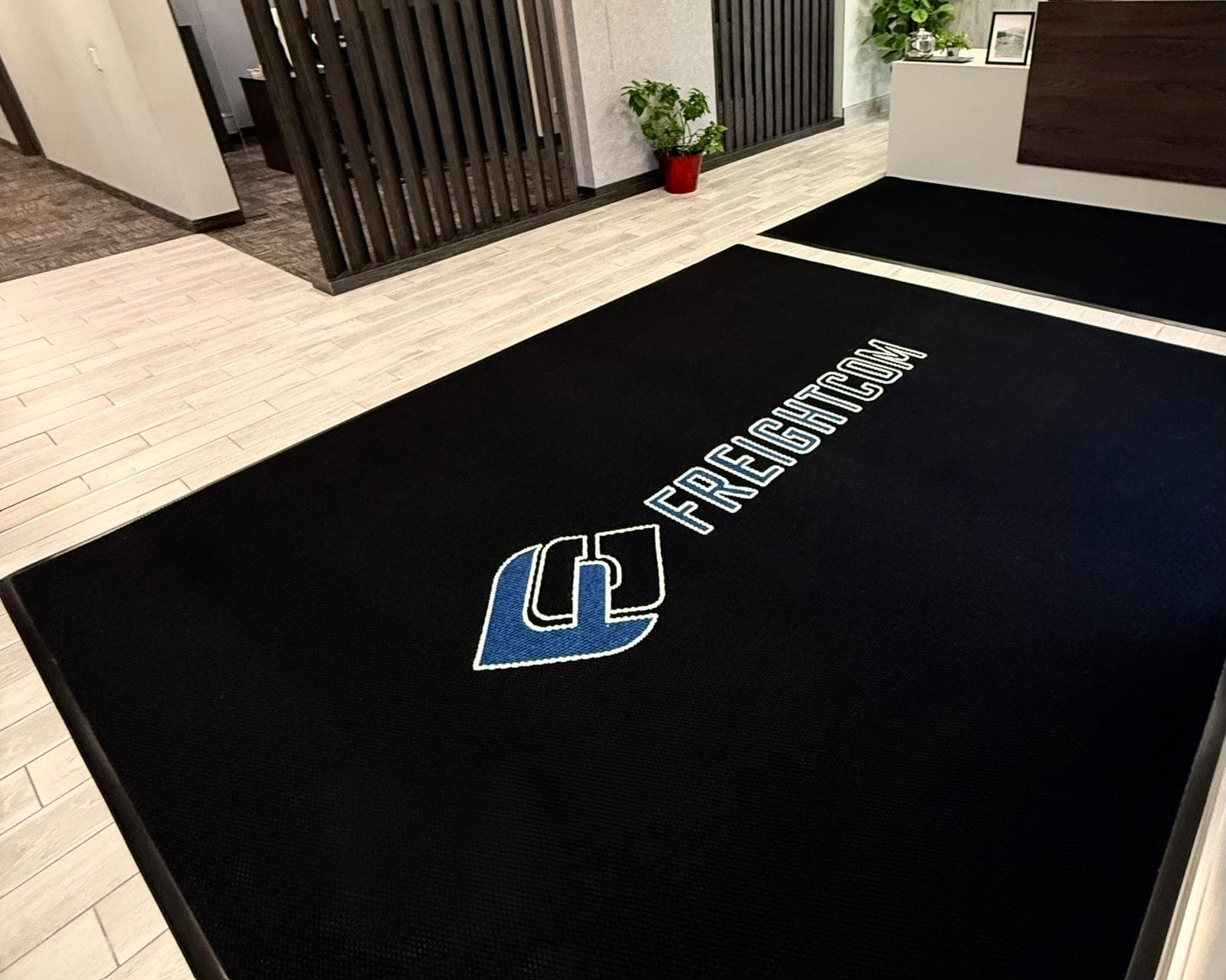
Indoor logo mats are used in lobbies, reception areas, corridors, retail stores, schools, clinics, hotels, offices, showrooms, and customer service areas. Their purpose is to finish the entrance visually while continuing to collect moisture and fine dirt from shoes. Because indoor spaces are usually more controlled, the mat can prioritize print clarity and texture instead of extreme weather resistance. This makes indoor mats a strong choice when the logo needs to look crisp and professional.
Most indoor logo mats use a textile face, often with a rubber or vinyl backing. The face material holds printed or dyed artwork and provides a soft enough surface to absorb moisture. The backing helps the mat sit flat and protects the floor underneath. For buildings that care about first impressions, an indoor logo mat can make the entrance feel branded without adding signs, banners, or extra clutter.
Outdoor Logo Mats Are Built for Exposure
Outdoor logo mats are designed for harder conditions. They may sit near exterior doors, vestibules, covered walkways, service entrances, garden centers, school entrances, warehouses, automotive spaces, or buildings where visitors cross wet pavement before entering. These mats need to scrape grit from shoes, tolerate moisture, and stay functional even when the surface gets dirty. The branding still matters, but performance comes first.
Because outdoor mats often use more textured rubber, scraper patterns, or heavier construction, fine artwork does not always reproduce the same way it would on an indoor printed mat. Bold marks, thicker lines, high-contrast colors, and simpler shapes perform better. If your logo includes small letters, fine gradients, or delicate outlines, you may need to simplify the design or use an indoor mat for the most detailed brand presentation.
How Materials Affect Performance
The material difference between indoor and outdoor logo mats drives much of the performance difference. Indoor mats usually need enough fiber or surface texture to hold moisture while still allowing a clean logo print. Outdoor mats need stronger scraping action, open texture, drainage, or heavy-duty rubber to deal with mud, sand, snow, salt, and water. A mat with excellent color detail may not be aggressive enough for a gritty outdoor entry, while a rugged scraper may not deliver the cleanest brand detail inside a lobby.
- Choose an indoor mat when you need better color reproduction, a softer finished look, and moisture capture in a controlled space.
- Choose an outdoor mat when visitors step through rain, snow, gravel, mud, salt, or parking-lot debris before reaching the door.
- Use a textured scraper surface when heavy dirt removal is more important than fine logo detail.
- Use a printed textile face when brand clarity, small shapes, and cleaner curves are the priority.
- Use a two-zone system when the entrance needs both aggressive scraping and polished logo presentation.
Weather Changes the Mat Specification
Weather is one of the clearest reasons to separate indoor and outdoor products. Rain brings moisture that needs to be captured before it reaches smooth floors. Snow brings water, salt, and grit. Dry climates can still produce dust and sand that scratch floor finishes. If the mat is exposed to weather, it has to dry reasonably well, resist breakdown, and continue to lie flat. A mat that stays saturated can become heavy, messy, and less effective.
Covered entrances can be tricky. A doorway may be technically outside but protected from direct rain. In that case, the right choice depends on how much moisture and debris visitors bring in. A covered office entrance may work with a durable indoor mat if it stays dry most of the time. A covered entrance at a busy retail store may still need outdoor scraping because the traffic volume is high and shoes arrive wet from the parking lot.
Logo Detail and Color Reproduction
Indoor mats generally offer better opportunities for detailed logos. They can show cleaner curves, smaller lettering, more controlled color areas, and better visual definition. That does not mean every logo should be printed exactly as it appears on a website. Floor-level graphics still need strong contrast and simplified details. But if the brand mark includes multiple colors or a recognizable mascot, an indoor printed logo mat usually gives the design team more room to preserve the look.
Outdoor mats can still look excellent, especially when the design is built for the material. A bold one-color logo on a rubber scraper mat may be more effective outside than a complicated full-color image. The key is to match expectations to construction. If the outdoor mat has deep texture, the logo should be readable from several feet away and not depend on tiny text. For multi-location brands, it is often useful to create a simplified mat version of the logo.
Backing, Drainage, and Floor Safety
Indoor mats often use backing that helps the mat grip hard flooring and lie flat in customer areas. The edge profile should be low enough to reduce trip risk and allow carts or accessibility devices to pass smoothly. Outdoor mats may need drainage, extra weight, or a construction that allows water and debris to move away from the walking surface. The wrong backing can cause sliding, curling, or trapped moisture.
Safety should be part of the decision, not an afterthought. A beautiful mat that moves underfoot is not a good entrance solution. Check the floor surface, traffic direction, door clearance, and cleaning routine. If the mat will sit on polished tile, weight and backing grip matter. If it will sit outside, the surface should not become slippery when wet. If staff will remove it for cleaning, the mat should be manageable enough to lift and reposition correctly.
Maintenance Differences
Indoor logo mats are often maintained with regular vacuuming, spot cleaning, and periodic deeper cleaning. Their appearance depends on keeping fine dirt from settling into the face fibers. Outdoor mats may need shaking, rinsing, sweeping, or more frequent debris removal depending on the construction. In snowy or salty climates, outdoor mats can collect material quickly and may need a more active cleaning schedule during peak seasons.
The best maintenance plan is realistic. If your staff cannot deep clean a mat often, choose a color and material that tolerates normal use between cleanings. If the entrance handles spills, food traffic, or grease, ask about cleaning compatibility before ordering. A mat that is easy to maintain will look branded longer, while a mat that requires unrealistic care may disappoint even if it looked perfect on day one.
When to Use Both Indoor and Outdoor Mats
A two-mat entrance system is often the best answer for commercial buildings. The outdoor mat scrapes heavy debris first. The indoor logo mat then absorbs moisture and presents the brand in a cleaner environment. This reduces the burden on the indoor mat and helps the logo stay sharper between cleanings. It is especially useful for stores, schools, clinics, restaurants, gyms, and offices where customers enter directly from a parking lot.
Think of the entrance as a path, not a single rectangle. The first few steps should remove grit. The next few steps should dry shoes. The branded moment should happen where the logo will stay visible and intentional. When each mat has a defined role, the entrance looks better and performs better. You also gain flexibility because the outdoor and indoor products can be replaced or cleaned on different schedules.
Decision Guide
- Use an indoor logo mat for lobbies, reception areas, retail interiors, corridors, and places where color detail matters.
- Use an outdoor logo mat for exposed doors, wet entrances, gritty locations, and areas where scraping is the main job.
- Use both when customers walk in from parking lots, sidewalks, rain, snow, or heavy public traffic.
- Simplify the logo for textured or outdoor products, especially if the original artwork has small type or thin lines.
- Choose color and material with cleaning in mind so the mat continues to look professional after daily use.
Frequently Asked Questions
Are outdoor logo mats less attractive than indoor mats?
Not necessarily. Outdoor mats can look sharp when the logo is designed for the material. They usually need bolder artwork and stronger contrast. Indoor mats tend to support more detailed designs, but outdoor mats can still create a strong branded entrance when expectations are matched to the construction.
Can I put an indoor logo mat outside under a covered entrance?
Sometimes, but only if the area stays dry enough and the mat is suitable for that exposure. Covered does not always mean protected. If shoes bring in heavy moisture, salt, or grit, an outdoor scraper mat is usually the safer choice. The indoor mat can then sit behind it for branding.
Which option is best for winter weather?
Winter entrances usually benefit from a two-zone setup. Use an outdoor or scraper mat for snow, salt, and grit, then use an indoor logo mat to dry remaining moisture and present the brand. This helps protect floors and keeps the branded mat from becoming overloaded.
Ready to apply this?
Compare product categories or send your size, traffic, and artwork notes.
Related guides
Feb 5, 2026
Best Mats for Commercial Entrances
Build a better commercial entrance mat system with the right scraping, drying, branding, sizing, safety, and maintenance choices.