
January 12, 2026
How to Choose the Right Logo Mat for Your Entrance
Choose the right custom logo mat by matching placement, traffic, size, artwork, backing, and maintenance needs to your real entrance.
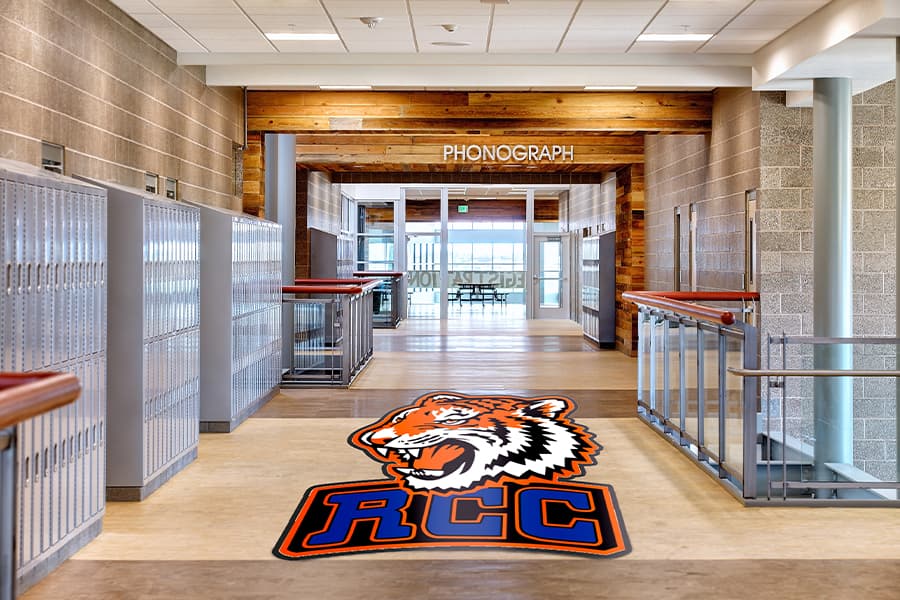
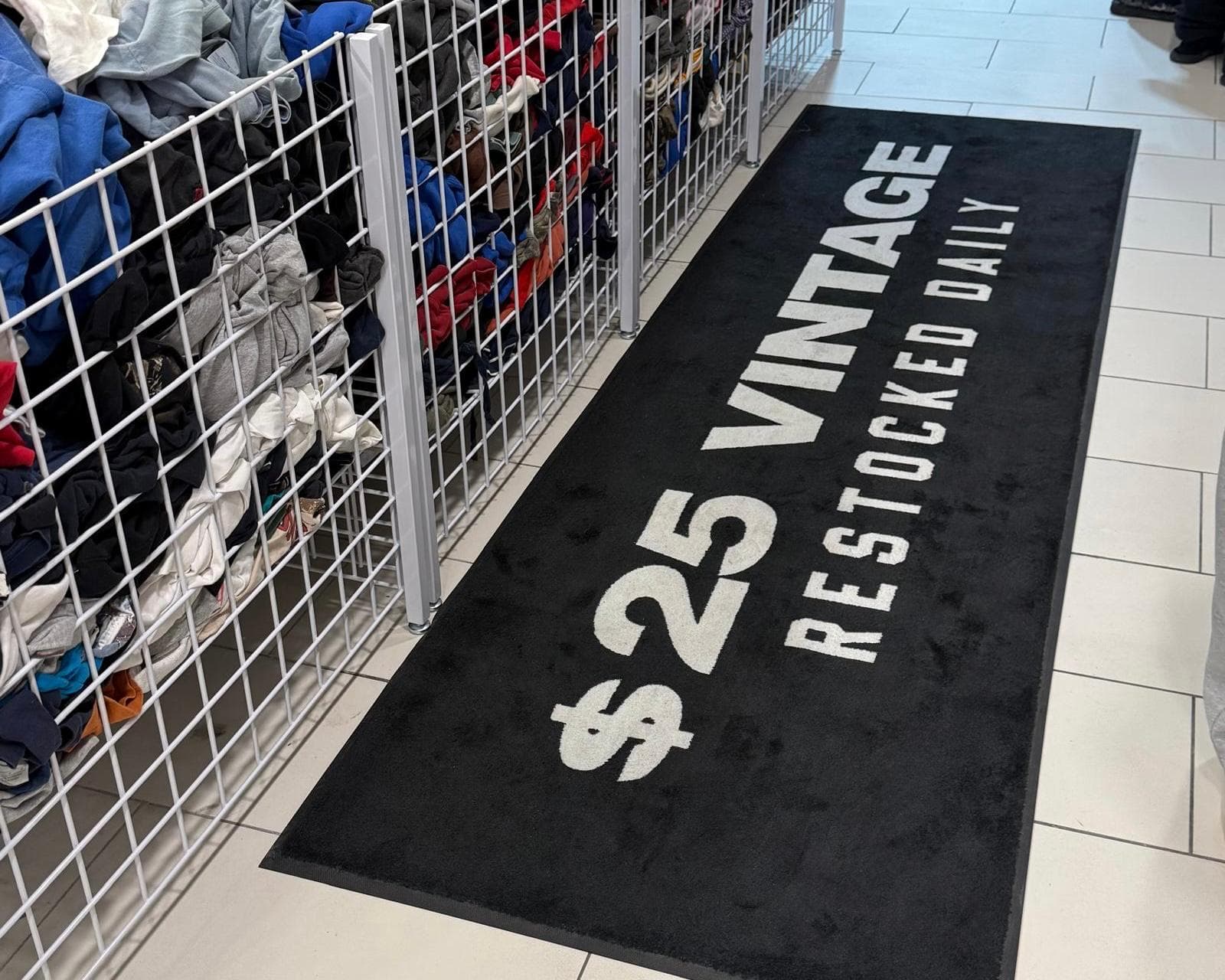
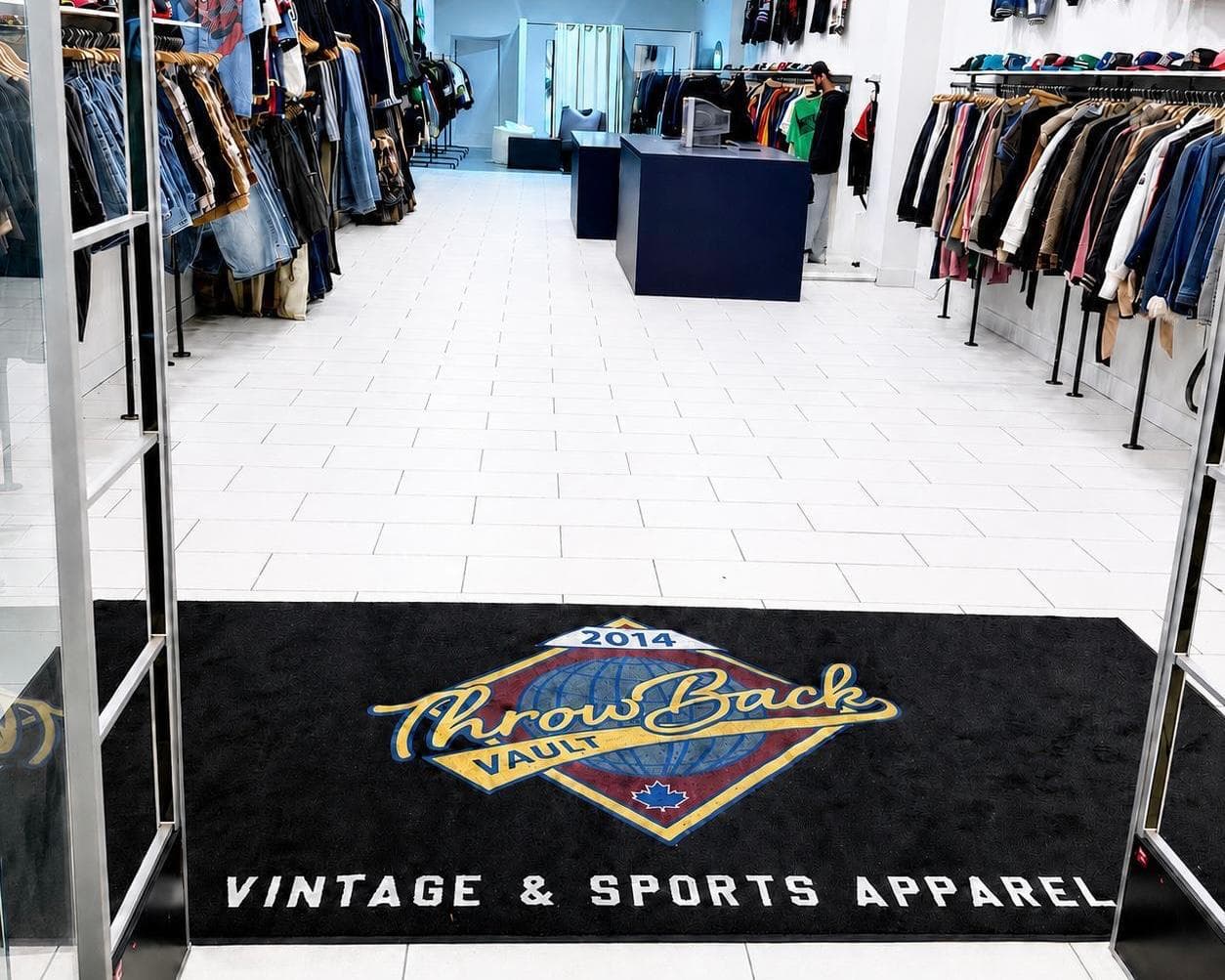
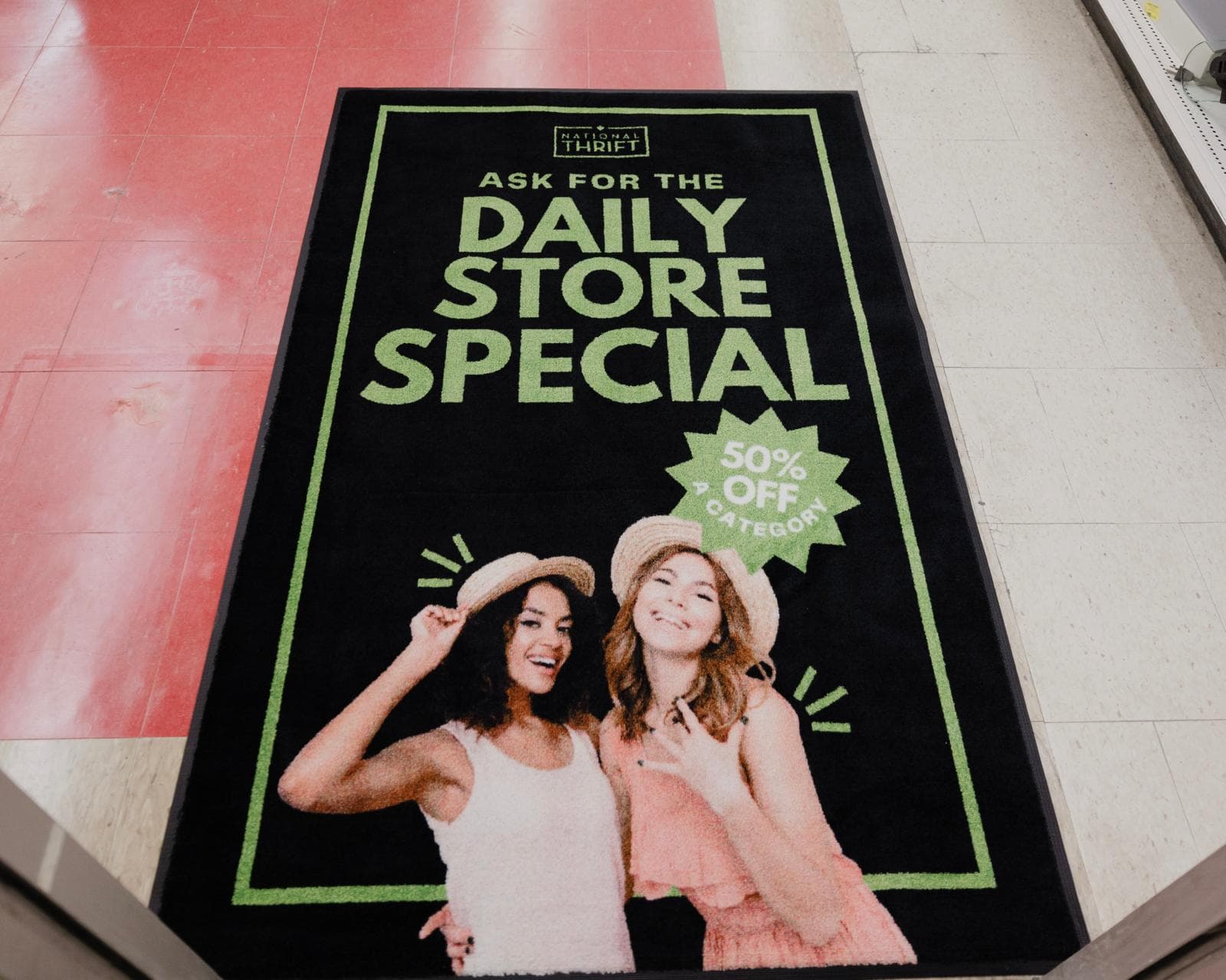
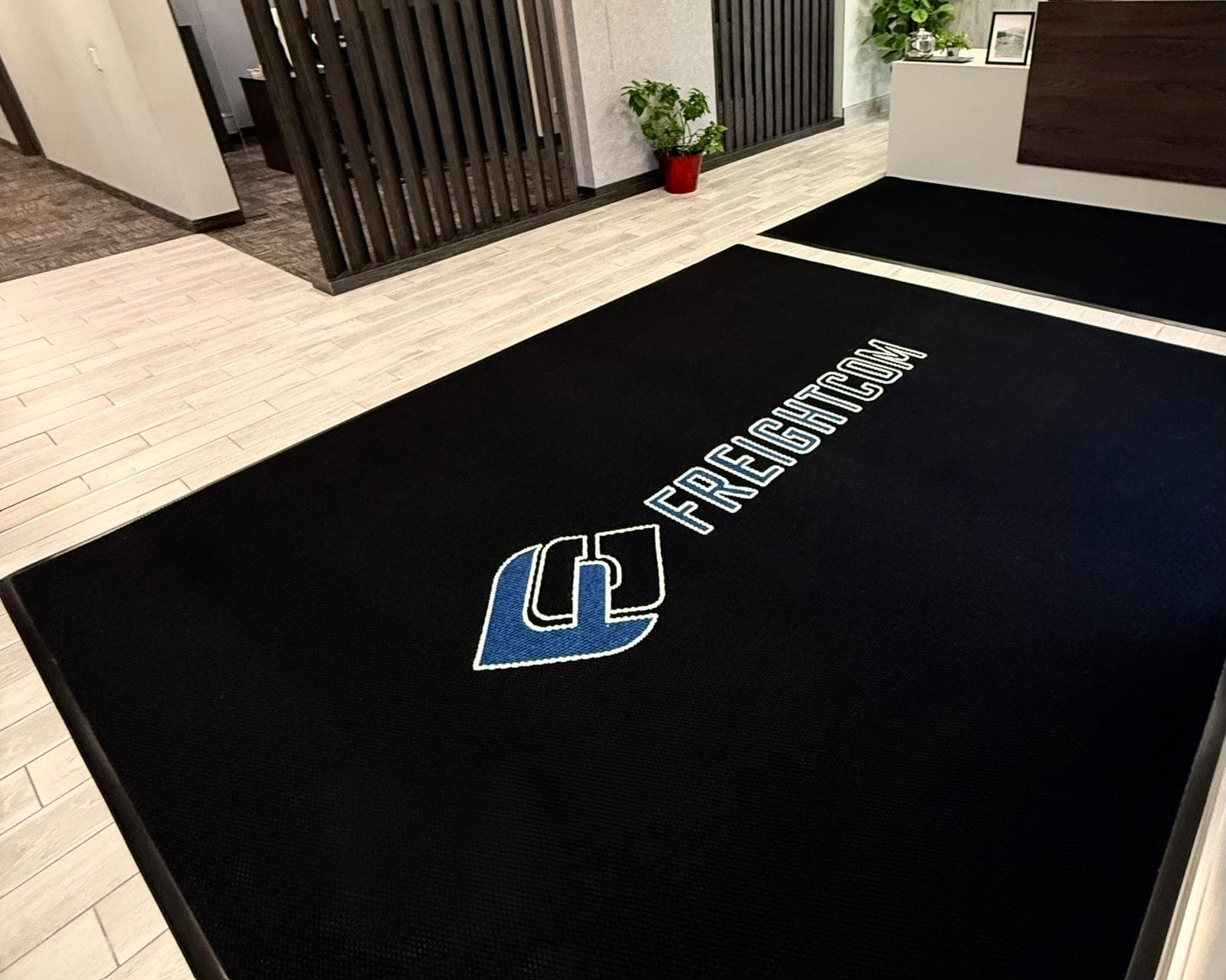
Choosing the right logo mat for your entrance is less about picking the nicest product photo and more about understanding the job the mat has to do every day. A custom logo mat is a branding surface, but it is also a working part of your floor system. It has to control moisture, reduce tracked-in dirt, stay flat, protect the finished floor, and present your business clearly from the moment someone walks in. When those practical details are matched properly, the logo looks better and the mat lasts longer.
The best buying process starts at the doorway. Look at the amount of foot traffic, the weather exposure, the floor surface, the door clearance, the shape of the entrance, and the way customers actually move through the space. A lobby in a professional office, a school corridor, a convenience store, a gym, and a medical reception area all need different priorities. This guide walks through the main decisions so you can choose a custom logo mat that fits the entrance instead of forcing the entrance to fit the mat.
Start With the Entrance Conditions
A good entrance mat starts with observation. Stand outside the door and look at what visitors step through before they reach your floor. If they cross gravel, snow, salt, wet pavement, grass, or a parking lot, the mat needs to remove heavier debris before it focuses on appearance. If visitors enter from an interior hallway or covered mall corridor, moisture capture and brand presentation may matter more than aggressive scraping. The same logo mat that looks perfect inside a clean lobby may struggle if it is placed directly in heavy rain or winter slush.
Also check the flooring around the entrance. Smooth tile, polished concrete, vinyl plank, carpet, and recessed mat wells all change how a mat should be specified. On hard surfaces, a stable backing and low-profile edge help reduce movement and improve safety. In a recessed well, the mat has to be measured carefully so it fills the space without buckling. On carpet, heavier backing may be needed because lightweight mats can creep or ripple under repeated foot traffic.
Match the Mat to Traffic Level
Traffic level affects nearly every choice. A small office with twenty visitors a day can usually prioritize appearance, logo detail, and easy cleaning. A school, clinic, retail shop, or restaurant may need a more durable surface because hundreds of shoes cross the same path every day. High traffic compresses face fibers faster, carries more abrasive dirt, and exposes weak backing or thin edges. If your mat has to work all day, choose a commercial-grade product from the start.
- Light traffic entrances usually need strong logo clarity, a finished edge, and a size that visually anchors the doorway without overwhelming the room.
- Medium traffic entrances need dependable moisture capture, a backing that stays flat, and enough length for visitors to take more than one step on the surface.
- Heavy traffic entrances need construction that can handle daily abrasion, frequent cleaning, rolling carts, and repeated directional movement.
- Wet or gritty entrances should prioritize scraper performance first, then use a second mat inside for drying and brand presentation.
- Entrances used by staff, customers, deliveries, and service carts should be treated as high-traffic even if the front lobby feels small.
Decide Between Indoor, Outdoor, and Two-Zone Coverage
Indoor logo mats are normally chosen for color, detail, and a polished customer-facing look. They are useful in lobbies, reception areas, retail aisles, hallways, office entries, and checkout zones. Outdoor mats are built for exposure. They focus on scraping mud, grit, snow, and loose debris before that material reaches the finished floor. An outdoor mat can still carry a logo, but it usually performs best with a simpler design and stronger contrast.
Many commercial entrances perform best with two zones. The first zone sits outside or just inside the first door and removes rough debris. The second zone sits inside the finished space and absorbs remaining moisture while displaying the brand. This setup is common in places with winter weather, rainy seasons, parking-lot traffic, or busy public entrances. It also helps the branded mat stay cleaner because it is not forced to do all the scraping work by itself.
Choose the Right Size
Size is one of the most common places buyers under-order. A logo mat should look proportional, but it also needs enough walking length to work. As a practical rule, give visitors at least two full steps on the mat. If the mat is too short, shoes only touch the surface briefly and moisture continues into the building. A larger mat can feel more intentional, protect a wider path, and make the logo easier to read from a natural standing distance.
Measure the door width, the swing of the door, nearby furniture, thresholds, vents, and any floor transitions. The mat should not block the door, catch under a threshold, curl against a wall, or create a trip point at the edge. For double doors, a mat that spans the full entry usually looks more professional than a narrow mat centered under one leaf. For long corridors, consider orientation carefully so the logo faces the visitor as they approach.
Pick a Material That Fits the Job
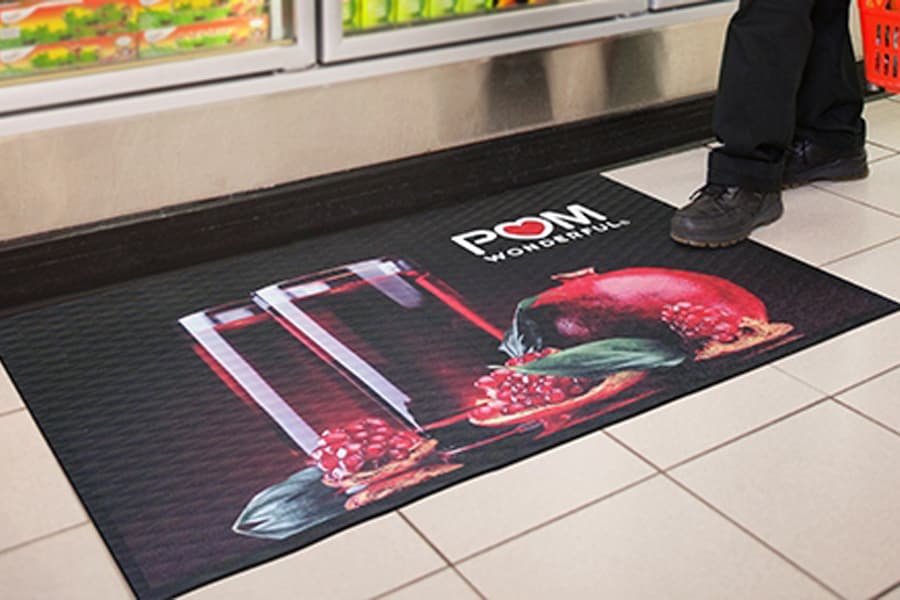
Printed nylon and similar textile logo mats are excellent when artwork detail matters. They can show more color variation, smaller type, and cleaner curves than many rugged outdoor products. These mats are common in offices, schools, clinics, retail stores, showrooms, and branded interior spaces. They are especially useful when the mat needs to feel like part of the decor rather than a purely industrial floor product.
Scraper mats, rubber-backed outdoor mats, and more aggressive entrance products are better when durability and debris removal are the priority. They are useful near exterior doors, warehouse entries, garden centers, automotive shops, and buildings exposed to snow or rain. If a logo must appear on a heavy-duty mat, simplify the artwork and make sure the design remains readable at floor level. The more textured the surface, the more important it is to avoid tiny details.
Prepare the Logo for Floor-Level Viewing
A logo mat is viewed differently from a business card or website header. People see it while moving, standing above it, or entering from an angle. Fine lines, small taglines, thin outlines, and subtle gradients can disappear once they are placed on a textured surface. Strong logo mats usually use a simplified layout, clear contrast, and enough empty space around the mark. The goal is quick recognition, not maximum detail.
If possible, provide vector artwork such as AI, EPS, SVG, or a vector PDF. Vector files allow the design team to scale the logo cleanly and check edges before production. If you only have a PNG or JPG, provide the largest and cleanest version available. Avoid screenshots from email signatures, social media images, or tiny website headers because they often become blurry when enlarged. A proof review should confirm color placement, cropping, and orientation before the mat is made.
Think About Backing, Edges, and Safety
The backing of a logo mat matters as much as the surface. A quality backing helps the mat stay flat, resist curling, and grip the floor appropriately. For hard floors, rubber backing is commonly used because it adds weight and helps reduce movement. For carpeted areas, different backing options may perform better depending on pile height and traffic. If the mat will be moved for cleaning, choose a product that staff can lift without fighting excessive weight.
Edges should be low enough for safe foot traffic and compatible with carts, wheelchairs, strollers, and cleaning equipment. In public-facing spaces, a curled or shifting mat is more than an aesthetic issue. It can create a trip hazard and make the entrance look neglected. A properly sized commercial mat with clean edges sends a better message and performs more reliably. If the entry has a recessed well, confirm whether a bordered or borderless construction is the better fit.
Plan for Cleaning Before You Buy
A logo mat is only as effective as its maintenance routine. In dry, low-traffic areas, regular vacuuming may be enough most weeks. In wet climates or retail settings, the mat may need more frequent cleaning so dirt does not grind into the fibers. Ask how the mat should be vacuumed, shaken out, spot cleaned, or deep cleaned. If staff will maintain it themselves, choose a product that fits their equipment and schedule.
Cleaning also affects color choices. Very light backgrounds can look sharp when new but may show dirt quickly in busy entrances. Very dark backgrounds hide some soil but can show salt, lint, and dust. Mid-tone colors, strong contrast around the logo, and a practical border often age better. The right visual choice balances brand standards with the reality of shoes, weather, and daily maintenance.
Logo Mat Buying Checklist
- Measure the available floor area, door swing, threshold clearance, and walking path before choosing a size.
- Decide whether the mat will sit indoors, outdoors, in a recessed well, or as part of a two-zone entrance system.
- Choose construction based on traffic, weather, soil load, and how often the mat will be cleaned.
- Prepare the cleanest logo file available and simplify small text or detailed artwork when needed.
- Confirm backing, edge profile, orientation, color contrast, and proof details before approving production.
- Plan the cleaning routine so the mat continues to protect the floor and present the brand well.
Frequently Asked Questions
What size logo mat should I choose?
Choose a size that gives visitors at least two steps on the mat and fits the visual scale of the entrance. A small mat may show the logo, but it will not remove much moisture or dirt. For double doors or wide lobbies, a larger horizontal mat often looks more balanced and performs better.
Can the same mat work indoors and outdoors?
Some mats can handle limited covered exposure, but indoor and outdoor products are usually designed for different jobs. If the mat will face rain, snow, grit, or direct weather, choose an outdoor or scraper construction. Use an indoor logo mat behind it for clearer branding and moisture capture.
What logo file is best for a custom mat?
Vector artwork is best because it scales cleanly and keeps edges sharp. AI, EPS, SVG, and vector PDF files are ideal. High-resolution PNG or JPG files may work, but screenshots and small web graphics usually need cleanup before they can print well on a large floor surface.
Ready to apply this?
Compare product categories or send your size, traffic, and artwork notes.
Related guides
Jan 20, 2026
Indoor vs Outdoor Logo Mats: What Is the Difference?
Compare indoor and outdoor logo mats by materials, weather resistance, color detail, backing, safety, maintenance, and best-use cases.
Mar 3, 2026
How to Prepare Logo Artwork for Custom Mat Printing
Prepare logo artwork for a custom mat by choosing the right file type, simplifying details, checking contrast, and reviewing the proof carefully.