
February 5, 2026
Best Mats for Commercial Entrances
Build a better commercial entrance mat system with the right scraping, drying, branding, sizing, safety, and maintenance choices.
The best mats for commercial entrances are not chosen by appearance alone. They are chosen by how well they manage the first few steps into the building. A commercial entrance mat has to reduce tracked-in dirt, control moisture, protect expensive flooring, support safety, and still look appropriate for the brand. In a busy building, that job happens hundreds or thousands of times each day. A small decorative mat near the door is rarely enough.
A strong commercial entrance uses a system. The outside or first-contact area scrapes grit from shoes. The next area absorbs moisture. The branded area reinforces identity and makes the entrance feel intentional. Some buildings can handle that with one well-chosen custom mat, while others need two or three coordinated mats. The right answer depends on traffic, weather, building type, floor finish, and how the space is maintained.
Think in Entrance Zones
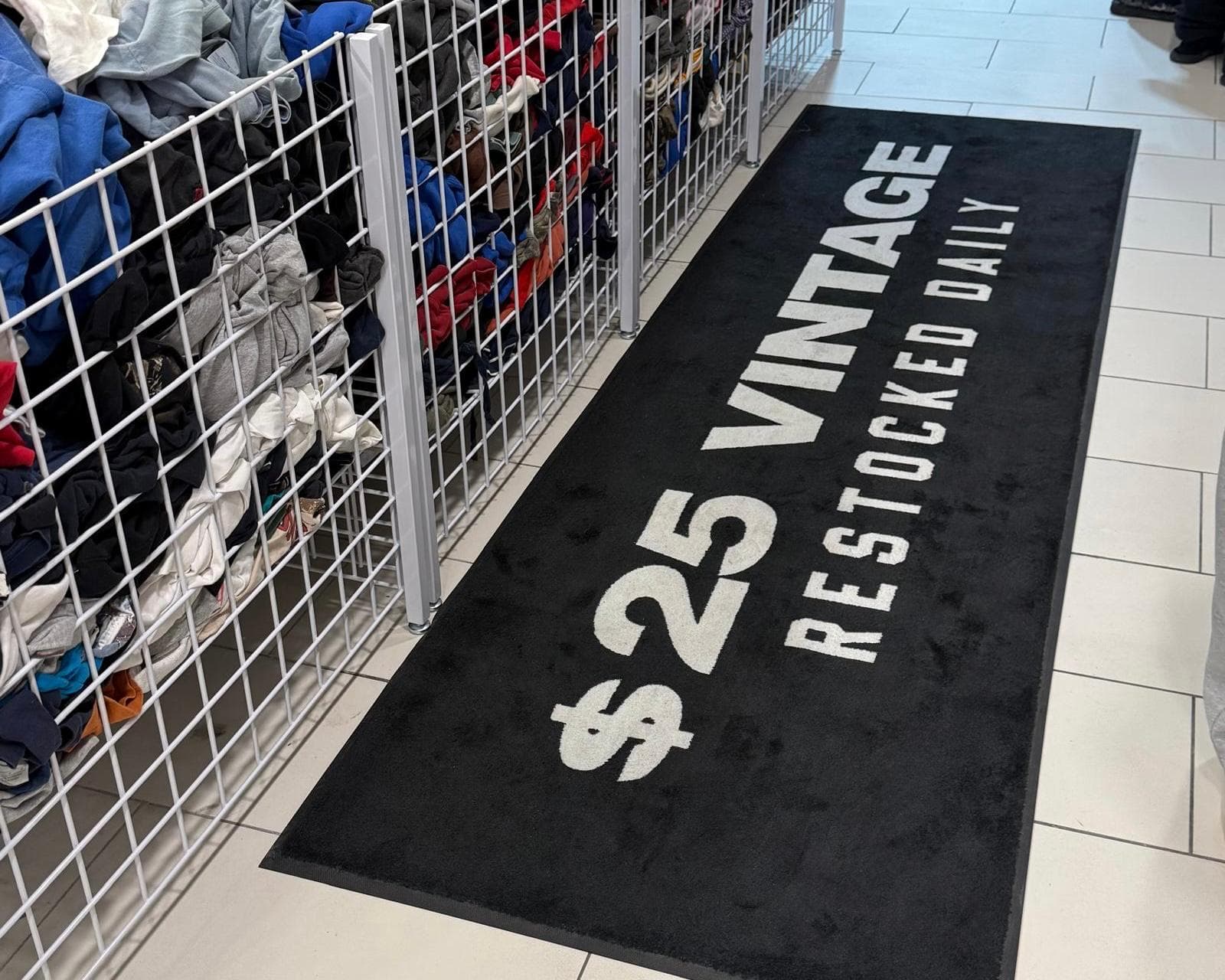
Commercial matting works best when the entrance is divided into zones. Zone one is the scraping zone, where heavy debris, gravel, mud, snow, salt, and loose dirt are removed. Zone two is the drying zone, where moisture is captured before it spreads across smooth floors. Zone three is the presentation zone, where the business can use a custom logo mat to reinforce branding while continuing to protect the floor.
Not every entrance has room for three separate pieces, but the concept still helps. If your doorway is small, choose a mat that handles the most urgent job first. If your entrance opens directly from a parking lot in a wet climate, scraping and drying matter more than fine detail. If your entrance is inside a building or mall, a logo mat with strong color and clean edges may be the best first priority. The mat should solve the real entrance problem.
Best Mat Types for Commercial Entrances
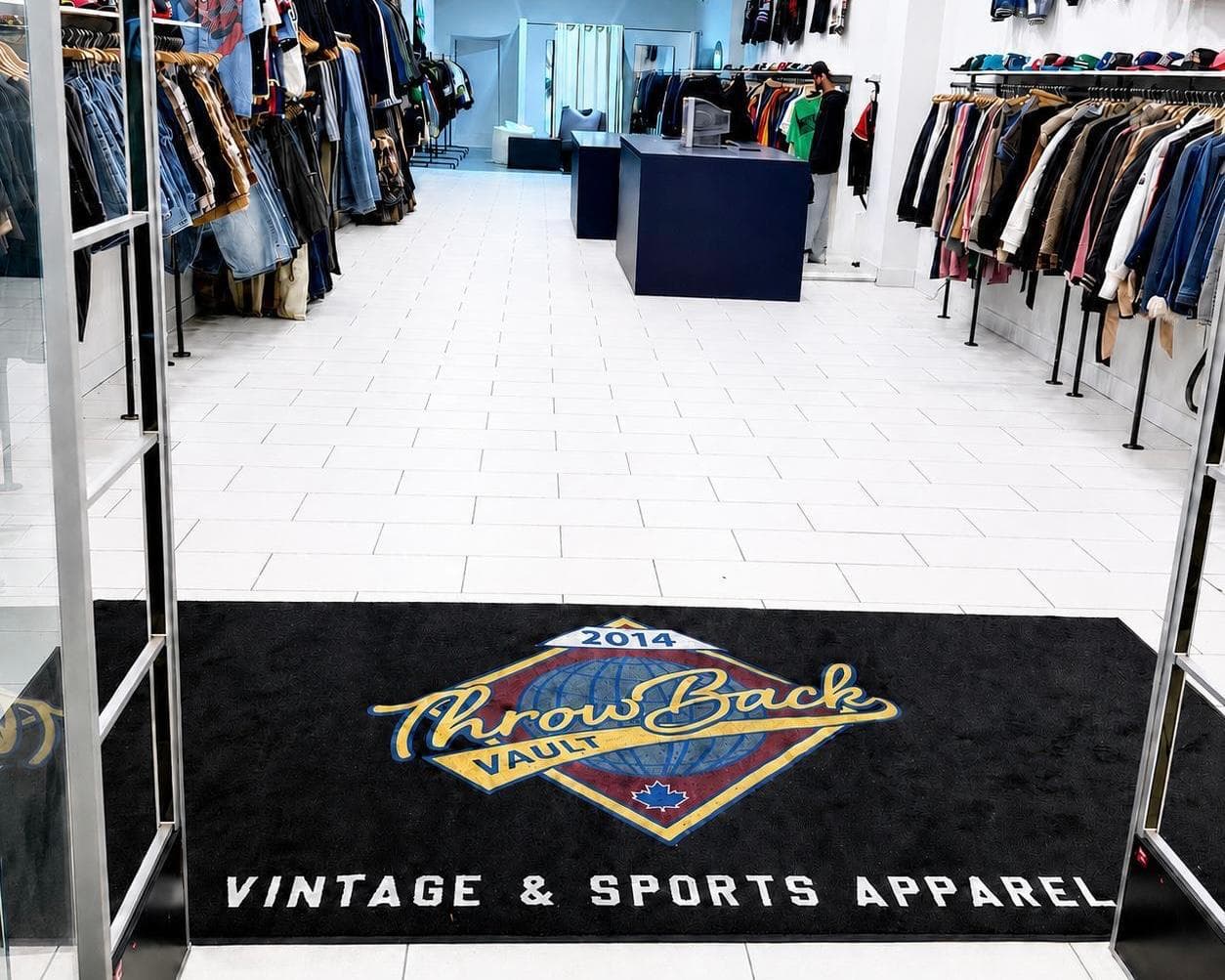
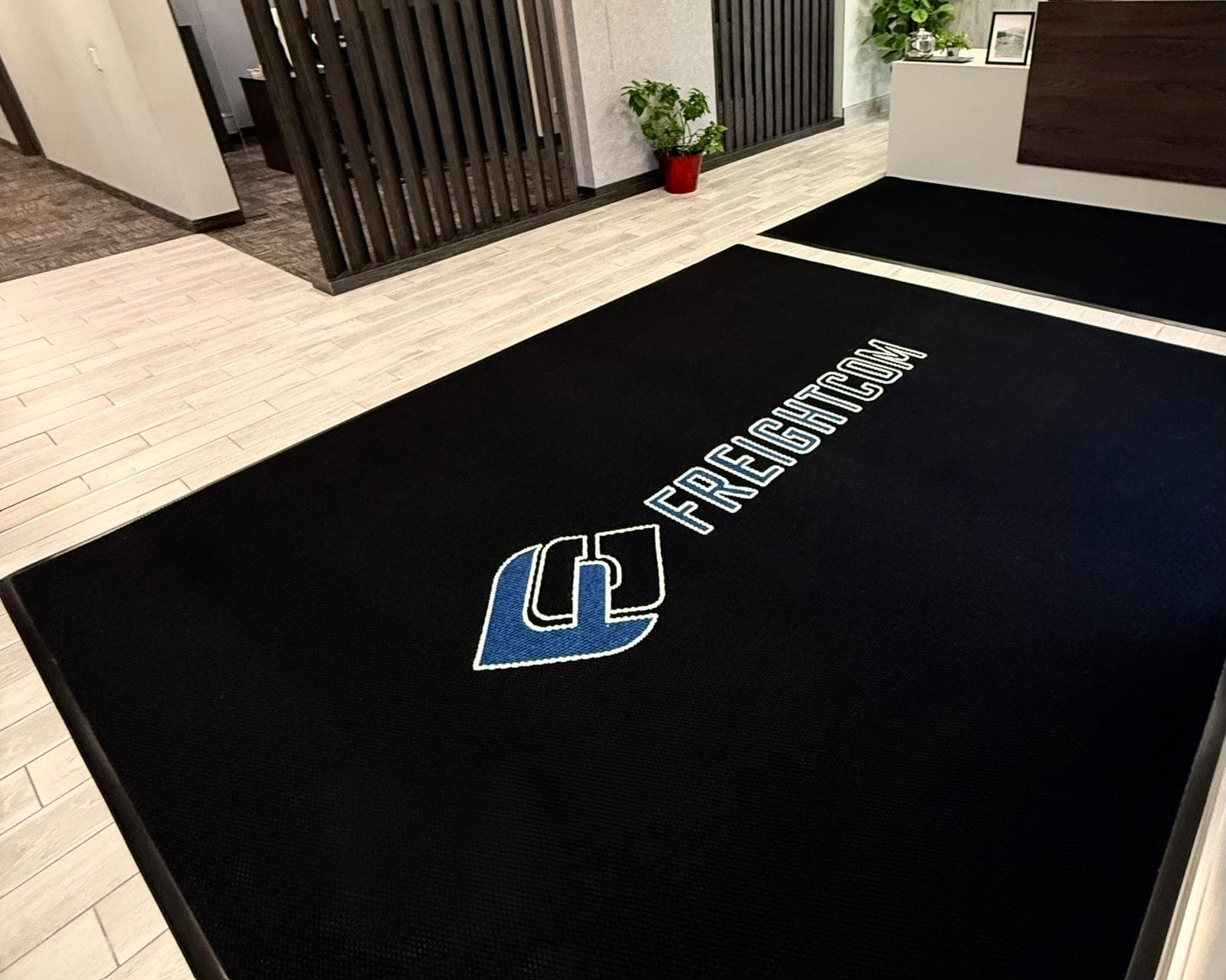
The best commercial entrance mat type depends on the setting. A printed logo mat is ideal for reception areas, retail interiors, schools, clinics, offices, showrooms, and customer-facing spaces where brand presentation is important. A scraper mat or outdoor mat is better for exposed entrances, service doors, busy public sidewalks, and places where visitors bring in grit. Anti-fatigue mats are not usually the main entrance solution, but they may be used behind counters or service stations where staff stand for long periods.
- Printed logo mats work well in finished interiors where color, detail, and brand impression are priorities.
- Outdoor scraper mats work well at exterior doors, vestibules, and entrances exposed to weather or parking-lot debris.
- Water-absorbing entrance mats are useful behind the first scraper zone when wet shoes are a regular issue.
- Recessed well mats create a built-in look when the entrance floor has a defined mat well.
- Anti-fatigue mats support staff comfort in work zones, but they should not replace a true entrance mat at public doors.
Traffic Level Should Drive Durability
A commercial entrance sees more wear than a residential doorway. The mat is stepped on from multiple angles, dragged across by carts, exposed to spills, and cleaned repeatedly. A mat for a boutique appointment-only office does not need the same construction as a mat for a school, gym, restaurant, grocery store, or clinic. When traffic is high, choose heavier commercial backing, durable face material, and a size that covers the actual walking path.
Traffic is not only about visitor count. Staff movement, deliveries, wheelchairs, strollers, cleaning machines, and rolling inventory can all increase wear. A side entrance used by employees all day may need a tougher mat than the front door used by occasional customers. Watch where people naturally walk, not where the mat looks good in a floor plan. The most effective mat covers the path people already use.
Sizing Commercial Entrance Mats
Commercial entrance mats should be large enough to work before visitors leave the mat. A tiny logo mat may make the brand visible, but it does not give shoes enough contact time to remove dirt or moisture. As a general rule, visitors should take at least two steps on the mat. In high-traffic buildings, more walking length is often better. Wider mats also reduce the chance that people step around the surface.
Measure the full doorway, including sidelights, double doors, vestibule dimensions, and the natural path toward reception, checkout, or elevators. Make sure the mat does not interfere with door swing or threshold clearance. For recessed wells, measure in several places because older buildings may not be perfectly square. A mat that fits the well cleanly looks more professional, reduces shifting, and avoids awkward gaps where dirt can collect.
Safety and Accessibility Matter
A commercial mat must support safe movement. It should lie flat, resist curling, and have an edge profile appropriate for the space. Thick edges near a main entrance can create a trip point. Lightweight mats can move on smooth flooring. Mats that become saturated can feel unstable underfoot. Good entrance matting reduces risk by managing moisture and staying in position.
Accessibility should also be considered. Customers may use wheelchairs, walkers, strollers, carts, or rolling bags. A mat that bunches, catches wheels, or creates a sudden height change can make the entrance harder to use. Low-profile edges, stable backing, and correct placement help the mat perform without becoming an obstacle. In busy public spaces, these details are part of professional facility planning.
Branding Without Sacrificing Performance
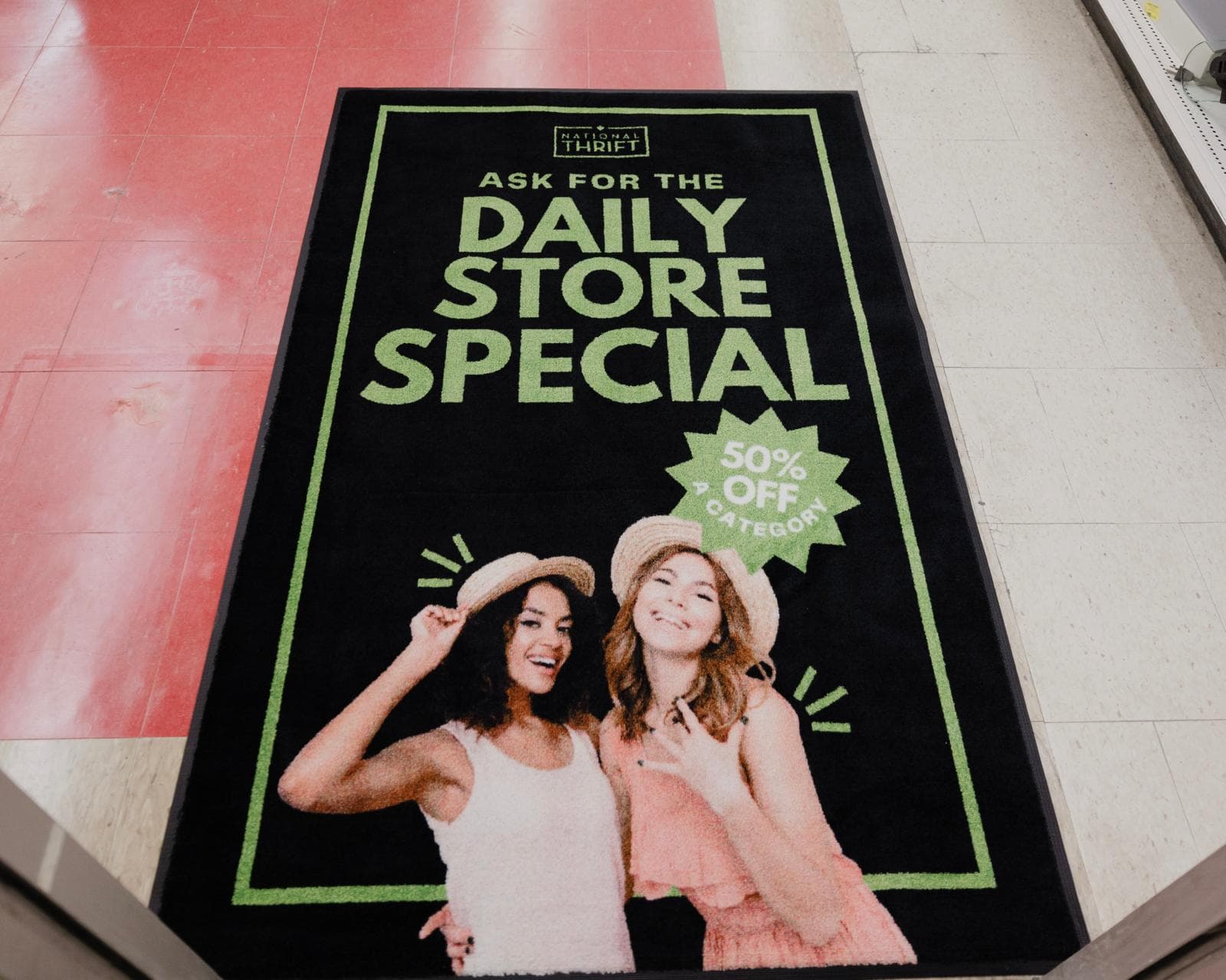
A custom logo mat can make a commercial entrance feel complete, but the logo should not compromise the mat's function. High-traffic entrances may need darker borders, practical background colors, and artwork that remains readable after normal dirt exposure. A light-colored mat with delicate type may look beautiful in a proof but show wear quickly in a busy doorway. A stronger layout often ages better.
For multi-location businesses, branded entrance mats also create consistency. A customer should recognize the same level of care whether they visit one location or another. Standard mat sizes, approved color combinations, simplified logo files, and reorder notes make future rollouts easier. The mat becomes part of the brand system, not a one-off facility purchase.
Industry Examples
Retail stores need mats that handle fast customer flow, shopping carts, and seasonal moisture. Restaurants and cafes need strong moisture control and easy cleaning because food service traffic can be messy. Schools and gyms need durable products that tolerate heavy daily use and frequent cleaning. Medical and professional offices often prioritize a clean, calm appearance while still protecting smooth floors from wet shoes.
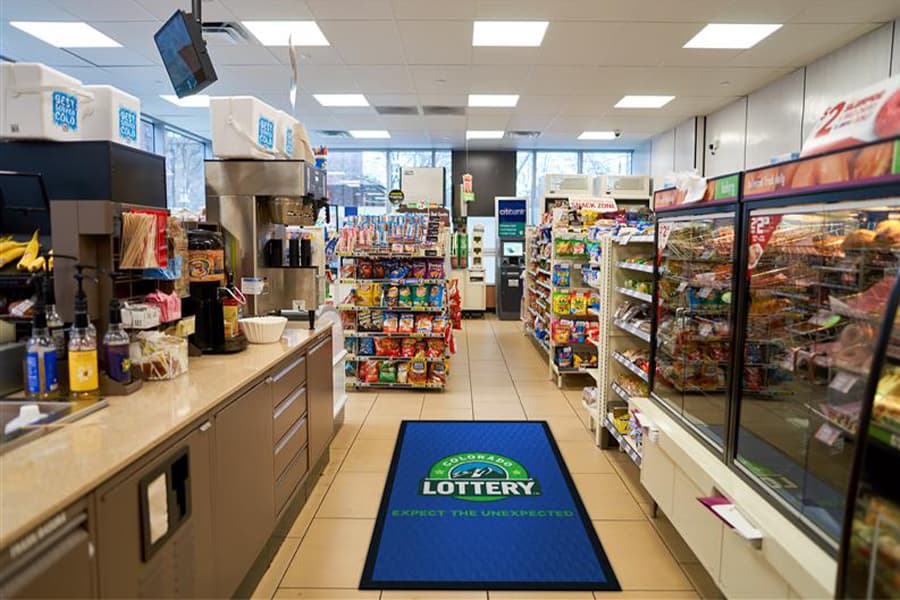
Industrial and service businesses may need heavier scraping at staff or delivery entrances, while the customer entrance uses a more polished logo mat. Hotels and hospitality venues often benefit from larger mats that feel integrated with the architecture. Convenience stores and gas stations may need practical colors and rugged construction because traffic is constant and shoes often arrive from fuel islands or parking lots.
Maintenance Planning
Commercial mats should be chosen with maintenance in mind. If a mat is too difficult to clean, too heavy to move, or too light to stay in place after cleaning, staff may avoid maintaining it properly. Regular vacuuming removes dry soil before it grinds into fibers. Outdoor scraper mats may need sweeping, shaking, or rinsing. Wet seasons may require more frequent service because saturated mats stop absorbing moisture effectively.
The maintenance routine should match the business. A small office may handle weekly cleaning internally. A high-traffic store may need daily attention. A school entrance may need seasonal changes during winter. Choosing a mat color that hides normal soil, using a scraper zone before the branded mat, and sizing the mat correctly all make maintenance easier. Good planning helps the entrance look professional for longer.
Commercial Entrance Mat Checklist
- Identify the main entrance problem: scraping, drying, branding, floor protection, safety, or all of these together.
- Measure the doorway, walking path, vestibule, recessed well, and door clearance before choosing a size.
- Choose construction based on traffic volume, weather exposure, cleaning frequency, and rolling equipment.
- Use a two-zone system when one mat cannot handle both heavy debris and polished branding.
- Review the logo at floor scale and simplify details that will not read clearly from a standing position.
- Confirm backing, edge profile, and maintenance expectations before approving the order.
Frequently Asked Questions
What is the best mat for a busy commercial entrance?
The best option is usually a commercial-grade entrance system with scraping near the door and drying or branding inside. In a wet or gritty location, start with a scraper mat. In a clean interior lobby, a printed logo mat may be enough if it is sized properly and maintained.
How large should a commercial entrance mat be?
A commercial entrance mat should allow at least two steps on the surface, and larger spaces often benefit from more coverage. The mat should cover the real walking path, not just the visual center of the doorway. For double doors, a wider mat usually looks and performs better.
Do commercial logo mats help keep floors cleaner?
Yes, when they are matched to the entrance conditions. A logo mat can capture moisture and fine dirt while reinforcing the brand. For heavy debris, it should be paired with a scraper mat so the branded surface stays cleaner and performs better over time.
Ready to apply this?
Compare product categories or send your size, traffic, and artwork notes.
Related guides
Jan 12, 2026
How to Choose the Right Logo Mat for Your Entrance
Choose the right custom logo mat by matching placement, traffic, size, artwork, backing, and maintenance needs to your real entrance.